Partnership to save Plovers from Extinction
LOCATION
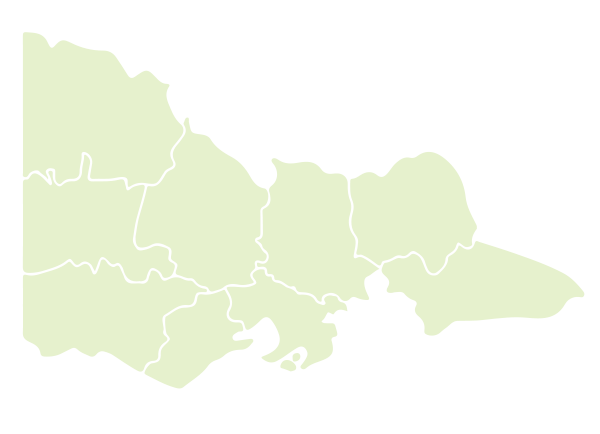
Bass Coast – Bunurong and South Gippsland coastline
TRADITIONAL OWNERS
Bunurong
ACHIEVEMENTS
- Delivered over 30,388 hectares of fox control works
- Protected 40 Hooded Plover breeding sites
- Engaged over 50 community volunteers
INVESTMENT
The $1.5M project over five years is funded by the Australian Government Natural Heritage Trust
PARTNERS
- BirdLife Australia
- Bunurong Land Council Aboriginal Corporation
- Bass Coast Landcare Network
- Community
- Volunteers
- South Gippsland Landcare Network
- Parks Victoria
Not on our watch. West Gippsland CMA is working with partners and the community, to build the love, tackle the key threats and save vulnerable Hooded Plovers from extinction.
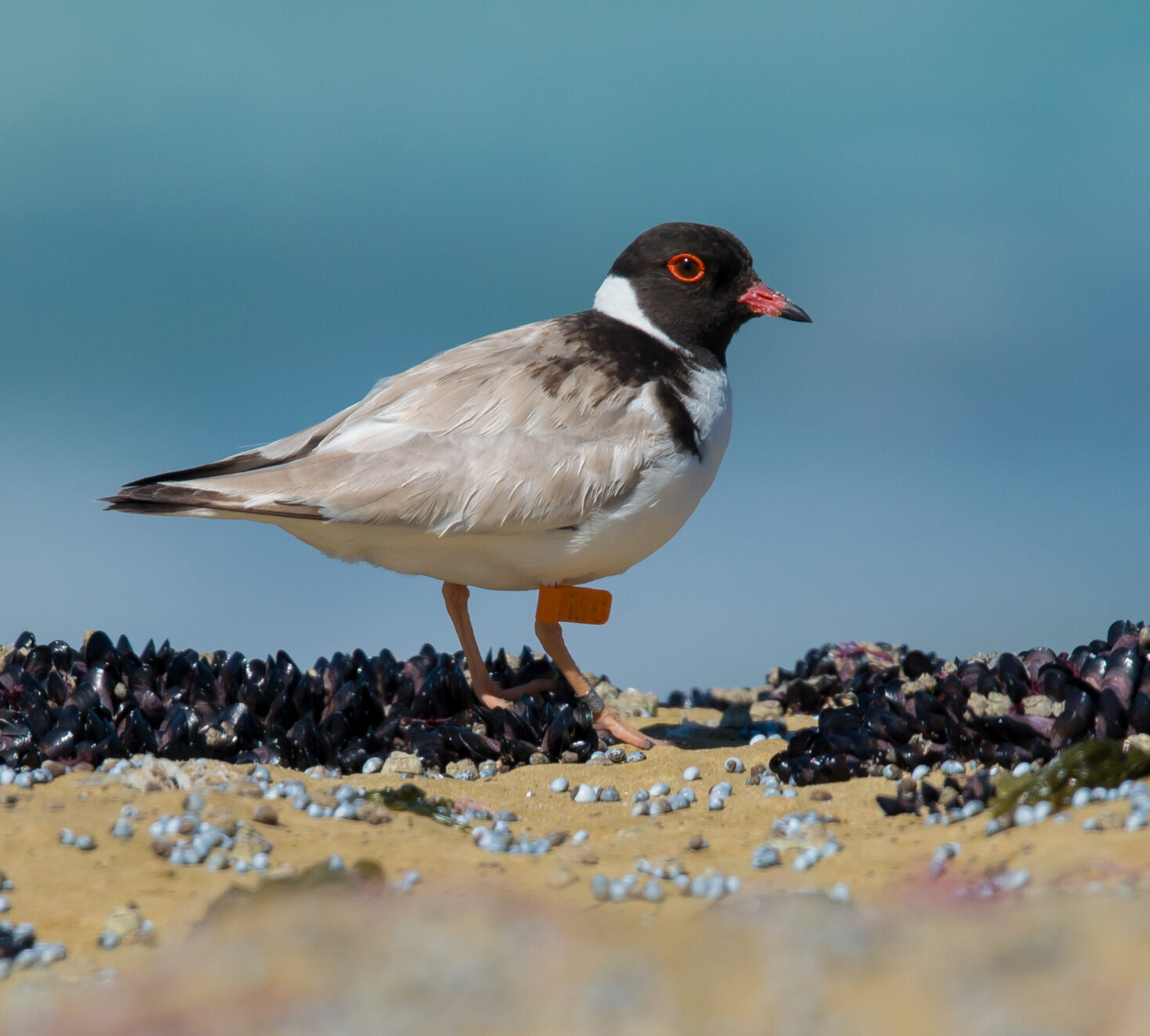
Eastern Hooded Plovers, affectionally known as ‘Hoodies’ are tiny shorebirds that nest along the Victorian coastline. The adults, their eggs and chicks are highly vulnerable to disturbance by humans, weeds, storms, off-lead dogs and their number one predator, foxes.
Together with Bunurong Traditional Owners (Barriytbarriyt is the Boonwurrung language name for the plovers), partners and community, the CMA is delivering a four-year project to help the Hoodies survive.
Actions include protecting nests during the breeding season, controlling foxes and other introduced pests and engaging the community to become plover lovers.
“There are only around 3,000 Hoodies remaining in south-eastern Australian and less than 2.5 percent of eggs make it to adult stage,” said Mikaela Power, West Gippsland CMA Board Chair.
“The coastline between San Remo and Inverloch is home to the second largest population of Hooded Plovers in Victoria so it’s vital that we work together to protect these vulnerable native species,” Ms Power said.
During the breeding season, Hoodies face many threats from people accidently trampling their nests to off-lead dogs scaring the birds and disturbing nests. Even if the eggs successfully hatch, Hoodie chicks can’t fly for the first five weeks of their life, making them highly vulnerable to predators, particularly foxes. To reduce this threat, the CMA and partners will undertake a coordinated approach to fox control across public and private land.
BirdLife Australia is key to supporting monitoring and community awareness activities. Their team of community volunteers assists with monitoring nests and educating beach goers about the plovers’ plight and how to share the beach by observing signage and keeping dogs on leads.
“This partnership project is an exciting next step in the protection and recovery of West Gippsland’s plover populations. The CMA is thrilled to be involved in this important work as part of our role in catchment health and protecting the region’s unique biodiversity.”
This project is funded by the Australian Government Natural Heritage Trust and delivered by West Gippsland CMA, a member of the Commonwealth Regional Delivery Partners panel.