Protecting Victoria’s Alpine Peatlands
LOCATION
North East, East Gippsland and West Gippsland CMA regions
ACHIEVEMENTS
- 118,814 hectares of deer control
undertaken - 601 deer culled
- 60 remote cameras monitored and
analysed
INVESTMENT
Australian Government’s Natural Heritage Trust Program (2024-2026)
PARTNERS
- Parks Victoria
- Alpine Resorts Victoria
- Hancock Victoria Plantations
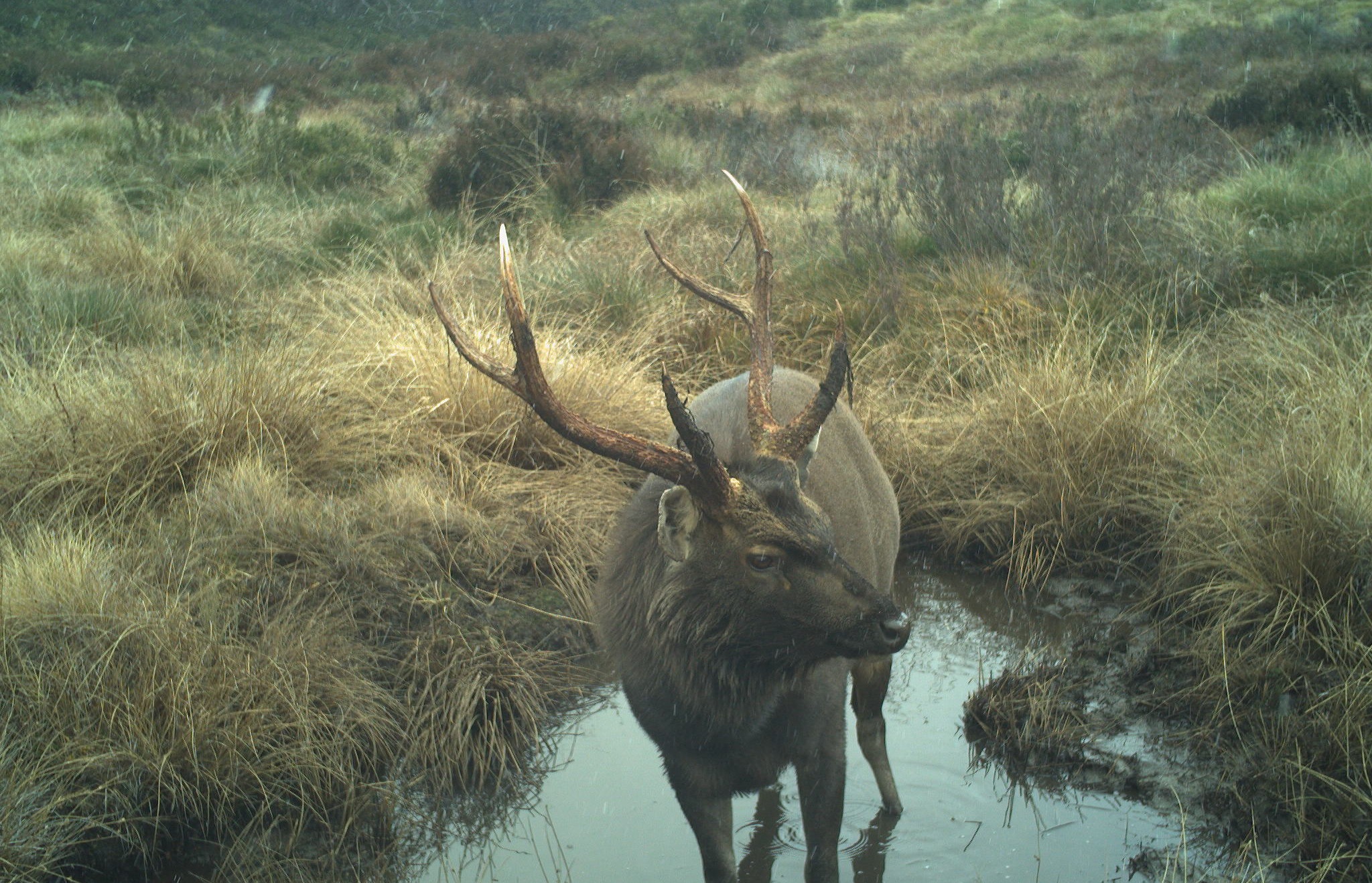
Targeted Sambar deer control across the Victorian Alps has reduced threats to nationally listed alpine peatlands, improved ecological resilience, and strengthened long-term partnerships for cross-catchment biodiversity protection.
Alpine peatlands are a nationally listed ecological community under significant pressure from invasive species, particularly Sambar deer.
These ecosystems play a vital role in water regulation, carbon storage, and biodiversity, yet face ongoing degradation due to deer-related disturbance.
To address this pressure, the Department of Climate Change, Energy, the Environment and Water (DCCEEW), through the Office of the Threatened Species Commissioner provided North East CMA with funding to undertake targeted deer control and monitoring efforts between 2024-2026.
North East CMA led the project in partnership with Parks Victoria, Hancock Victorian Plantations (HVP), and Alpine Resorts Victoria (Falls Creek, Mount Hotham, and Baw Baw Alpine Resorts). Together, these partners delivered coordinated deer control operations and monitoring across three catchment regions: North East, East Gippsland, and West Gippsland on both public and private land.
Key project activities included multiple broadscale deer control operations over 118,814 hectares of priority alpine and adjoining landscapes including timber plantations located downslope of the alps. These adjoining areas often provide safe harbour for deer during the cooler months.
A total of 601 Sambar deer were culled through these operations, significantly reducing deer pressure on endangered alpine peatlands. Sixty remote cameras were monitored for deer presence and activity to prioritise key areas for deer control, track population dynamics over time, and to inform future control operations.
All partners exceeded their contracted output targets, demonstrating strong delivery capacity and commitment. The project aligned with national and state conservation priorities and laid the groundwork for ongoing ecological resilience.