Know Your Number, Control Your Future
LOCATION
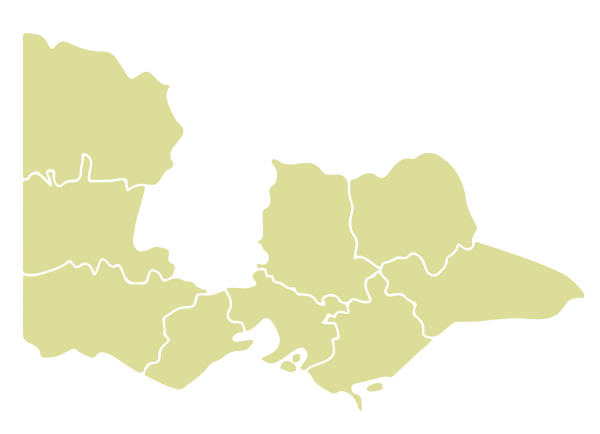
Nine towns across the catchment
ACHIEVEMENTS
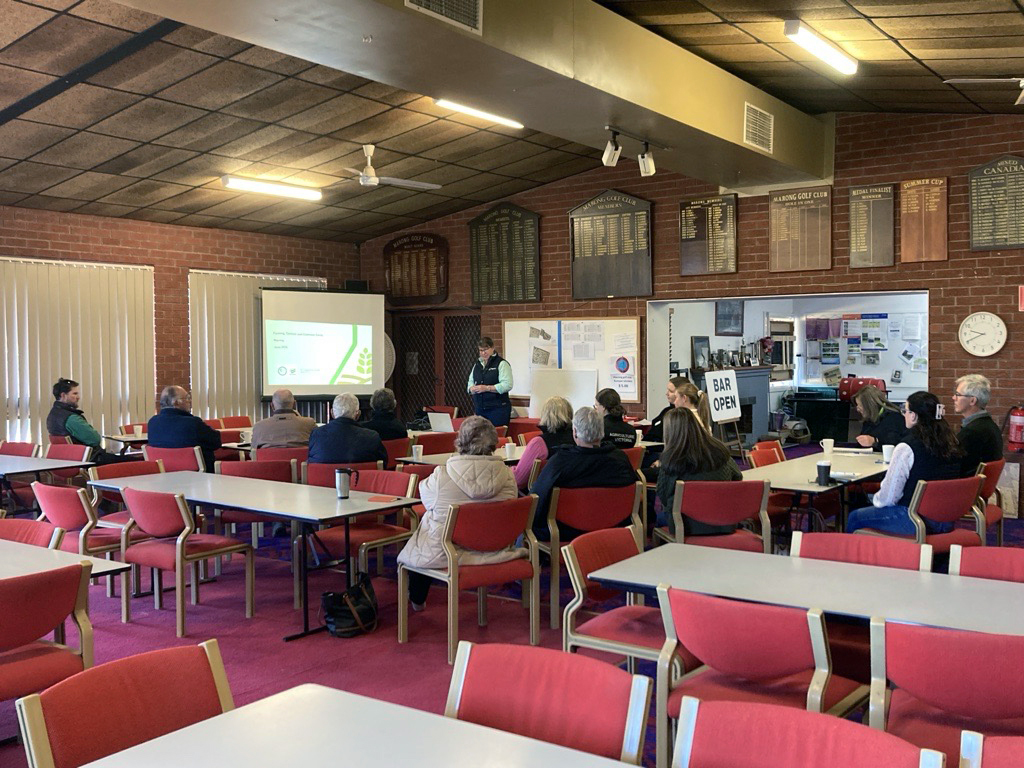
- Nine group sessions across the catchment
- Direct engagement with
60 landholders - Two podcasts with 240 downloads
INVESTMENT
- The Victorian Carbon Farming Outreach Program is delivered with funding support from the Commonwealth of Australia through the Department of Climate Change, Energy, the Environment and Water under the National Carbon Farming Outreach Program
- $76,866 was invested in the first of a two-year program
PARTNERS
- Landcare Victoria
- Agriculture Victoria
- Vic Catchments
- Australian Government
Communicating future emissions monitoring requirements to farmers can throw up challenges, so the North Central CMA thought innovatively, highlighting actions that benefit both the environment and farm businesses.
Emissions reporting is expected to be mandatory for all farms contributing to supply chains by 2030. This includes not just on-farm emissions such as fuel use and livestock methane, but also indirect emissions from electricity and, crucially, those that occur up and down the supply chain. While primary producers are not expected to eliminate all their emissions, they will need to know their carbon position.
Emissions reporting is expected to be mandatory or all farms contributing to supply chains by 2030. This includes not just on-farm emissions such as fuel use and livestock methane, but also indirect emissions from electricity and, crucially, those that occur up and down the supply chain. While primary producers are not expected to eliminate all their emissions, they will need to know their carbon position.
The Carbon Farming Outreach Program empowers Victorian farmers and land managers to work out how to improve their carbon number, and North Central CMA was tasked with engagement of the program across the region. Farm emissions monitoring engagement was always going to be challenging, so the CMA created an innovative strategy focused on improved messaging, relevant local speakers, and solutions that stretched people’s knowledge base.
The program was rebranded locally to Know Your Number, Control Your Future and delivered:
- Workshops focused on improvements farmers could make to their properties to both improve productivity and reduce emissions. These included looking at herd efficiencies, soil carbon and productivity, agroforestry, irrigation efficiencies, and more
- Location-focussed messaging, speakers, and topics for irrigation and dryland farmers
- Partnerships with Landcare Victoria, Agriculture Victoria, and Vic Catchments
- Nine sessions across the catchment attended by more than 60 landholders who left with a raft of tips and strategies
- High online engagement with more than 303,000 views on Facebook and 240 podcast downloads
The Victorian Carbon Farming Outreach Program is delivered with funding support from the Commonwealth of Australia through the Department of Climate Change, Energy, the Environment and Water under the National Carbon Farming Outreach Program.