Supporting Climate Smart Agriculture Through Catchment Partnerships
LOCATION
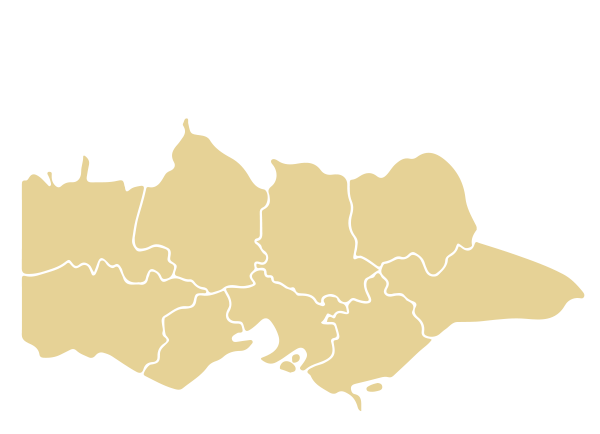
Whole of region – 2.4M hectares dryland agricultural land
ACHIEVEMENTS
- One partnership maintained
- Ten demonstration/trial sites established
- Two roadside surveys of over 1,000 representative paddocks
- Ten communication materials
produced - Eleven community/stakeholder
engagement events delivered
(230 participants)
INVESTMENT
Australian Government Natural Heritage Trust under the Climate-Smart Agriculture Program ($2.1M total, year one of four)
PARTNERS
- Agriculture Victoria
- Birchip Cropping Group
- Mallee Sustainable Farming
- Dryland Farmers
In the Victorian Mallee, a regional partnership is working with dryland farmers to identify and validate management practices to support sustainability, productivity and profitability in a changing climate.
A Victorian Mallee partnership is driving a four-year project to address one of the biggest challenges facing local farmers, maintaining groundcover at the right level to protect soil.
Mallee CMA, Agriculture Victoria, Birchip Cropping Group and Mallee Sustainable Farming are working together to better understand how farmers can protect their most valuable resource: soil.
Implementing changes to support increased groundcover and overall soil stability has always been a priority for farmers managing the region’s light sandy soils, particularly in dry years when the risk of wind erosion increases and careful management is required to ensure that on-farm (e.g. soil health) and broader community (e.g. dust storm) impacts are minimised.
As the impacts of climate change become more evident (i.e. increased rainfall variability and temperatures), identifying alternative or modified practices that provide for climate-ready systems and effective responses to seasonal conditions will be critical to achieving regional groundcover targets and long-term sustainability.
Project delivery is helping to address this challenge by focusing on two key drivers of groundcover and associated soil health outcomes in low rainfall cropping systems: stubble and legume management, along with monitoring how current management practices are influencing groundcover levels across the region.
Specifically:
- Sustainable soils and stubbles (Birchip Cropping Group), working with local farmers to identify stubble management practices that support both productivity and soil health improvements, regardless of the season, while also understanding any associated implications for carbon emissions.
- Legume based cropping systems (Mallee Sustainable Farming), comparing a range of different rotations with high legume intensity to identify which options are most profitable and their associated impacts on soil fertility and groundcover.
- Wind Erosion and Land Management (Agriculture Victoria), collecting roadside transect survey data and utilising remote sensing applications to identify long-term and within-season changes in both management practice and groundcover levels across the region.
These projects were developed through consultation with Mallee CMA’s Sustainable Agriculture Catchment Partnerships Committee (CPC). With all partners represented on the forum, this approach enabled each organisation to design individual components, while also ensuring coordinated and collaborative approaches to delivering against regional priorities and government policy.