Priority Actions for World renowned Gippsland Lakes Ramsar Site
LOCATION
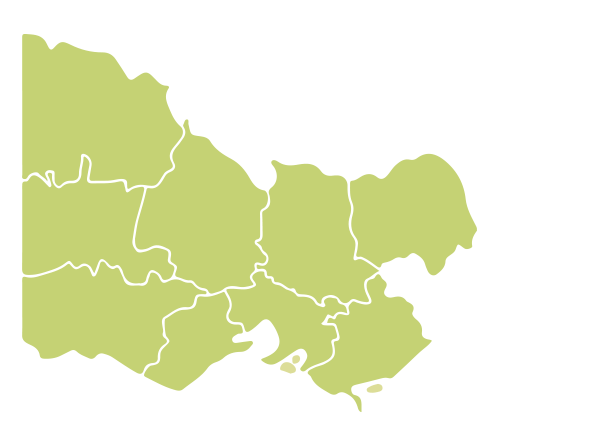
East Gippsland, Gippsland Lakes
TRADITIONAL OWNERS
Gunaikurnai Land and Water Aboriginal Corporation (GLaWAC)
ACHIEVEMENTS
- Produced two written publications
- Protected and restored two hectares of habitat
INVESTMENT
National Heritage Trust, $110,000 year two of five
PARTNERS
- GLaWAC
- Gippsland Ports
- BirdLife Australia
- Greening Australia
- Parks Victoria
This collaborative project is restoring vital shorebird habitat in the Ramsar listed Gippsland Lakes, enhancing nesting areas through sand renourishment and ecological monitoring to protect threatened species and guide future conservation.
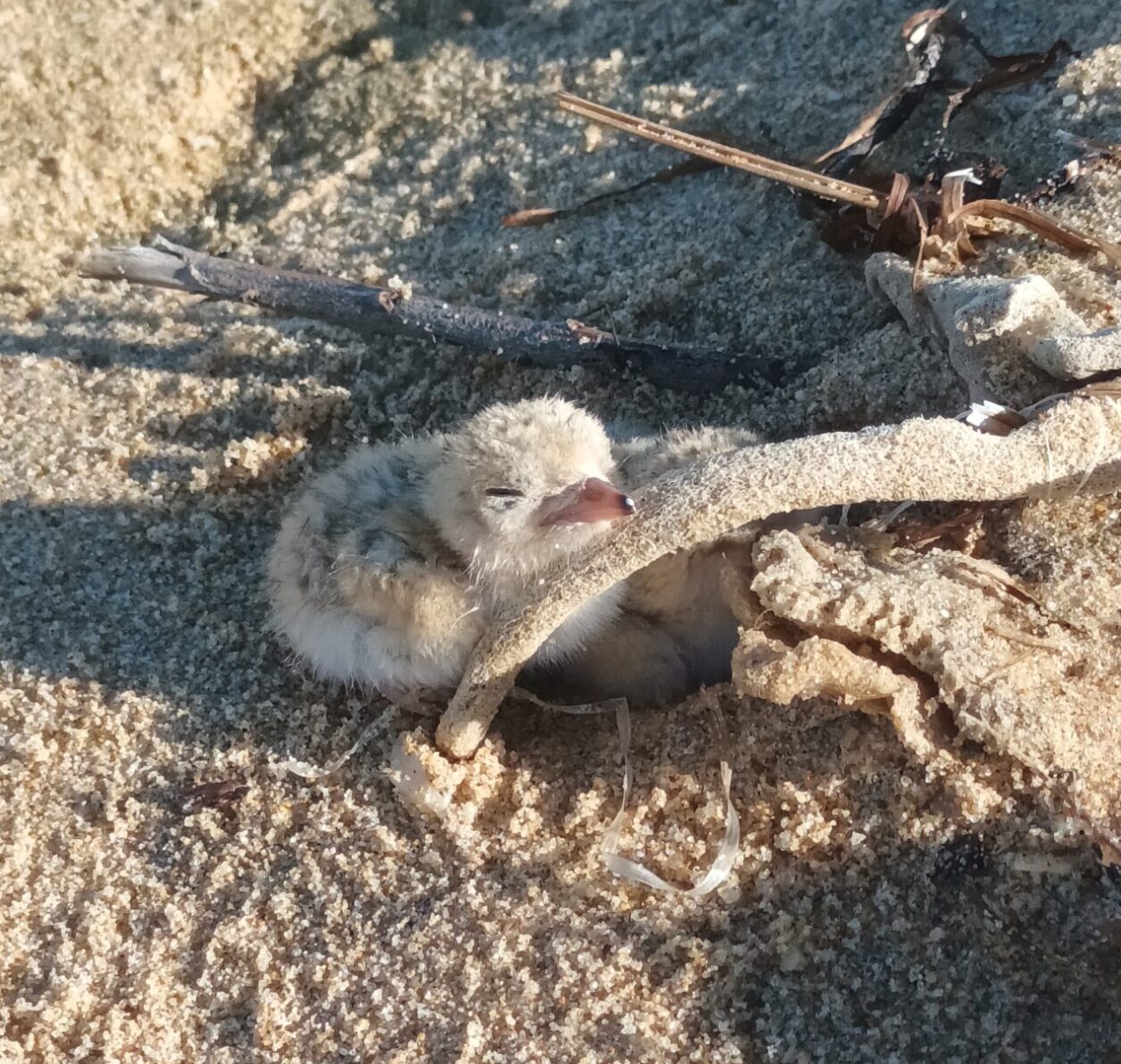
The project is enhancing critical habitats and nesting areas for Little Terns, Australian Fairy Terns, Eastern Hooded Plovers, and Eastern Curlews through targeted sand renourishment efforts. There have been major declines to populations of shorebird across Australia due to predation from introduced species, loss of habitat and human activities.
Breeding colonies are becoming rarer, and many traditional nesting sites have been abandoned. Sand dredged by Gippsland Ports has been used to create critical breeding and feeding habitats across several locations in the Gippsland Lakes, restoring a further four hectares of vital habitat.
In addition to sand renourishment, the project is protecting fringing wetlands and saltmarsh habitats surrounding the Gippsland Lakes by installing fencing to restrict animal and human access.
The project includes the monitoring of key ecological health indicators of the Gippsland Lakes with the installation of water quality gauges and conducting surveys of migratory birds, frogs, saltmarsh, and seagrass. The data collected will inform management actions for the Gippsland Lakes throughout this project and into the future.
Bird surveys are an important part of this project, and with over 20 years of data already captured, these efforts are continuing. Sightings of terns already using the renourished area is a very encouraging early sign of the project’s success. This data will help guide future management actions, keeping the Gippsland Lakes healthy and sustainable into the future.
This project is funded by the Australian Government Natural Heritage Trust and delivered by the East Gippsland CMA, a member of the Commonwealth Regional Delivery Partners panel.