Catchment Connections
LOCATION
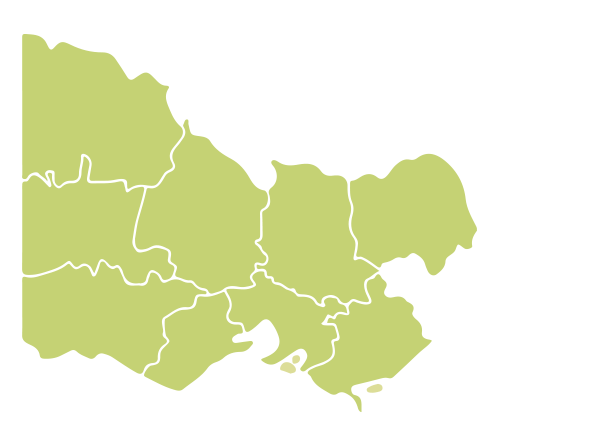
East Gippsland
TRADITIONAL OWNERS
Gunaikurnai Land and Waters Aboriginal Corporation (GLaWAC)
OUTPUTS
- Engaged 500 participants at events
- Produced six publications per year
- Working with partners to achieve successful results
- Increased habitat for endangered shorebirds and migratory birds
INVESTMENT
Victorian Government’s EC6 $100,000, year one of four
PARTNERS
- Gunaikurnai Land and Waters Aboriginal Corporation (GLaWAC)
- East Gippsland Art Gallery
- Blake Snake Productions
- East Gippsland Landcare Network
- Far East Victoria Landcare
- Cann Valley Landcare Group
- Bairnsdale Men’s Shed
- East Gippsland Primary Schools and P12 schools
Students across East Gippsland explored natural resource management through art and wildlife, thanks to East Gippsland CMAs Catchment Connections roadshow, highlighting Biodiversity, waterway health, and threatened species.
As an ongoing commitment to environmental education, East Gippsland CMA delivered its Catchment Connections program to school across the region, with a special focus this year on threatened species.
Students learned about the vital work undertaken by the East Gippsland CMA, in collaboration with partners, environmental organisations, and dedicated volunteer groups, to protect and restore the health of local catchments. Teaming with Black Snake Productions and their display of native wildlife, students were captivated with live animal encounters that brought biodiversity and threatened species education to life.
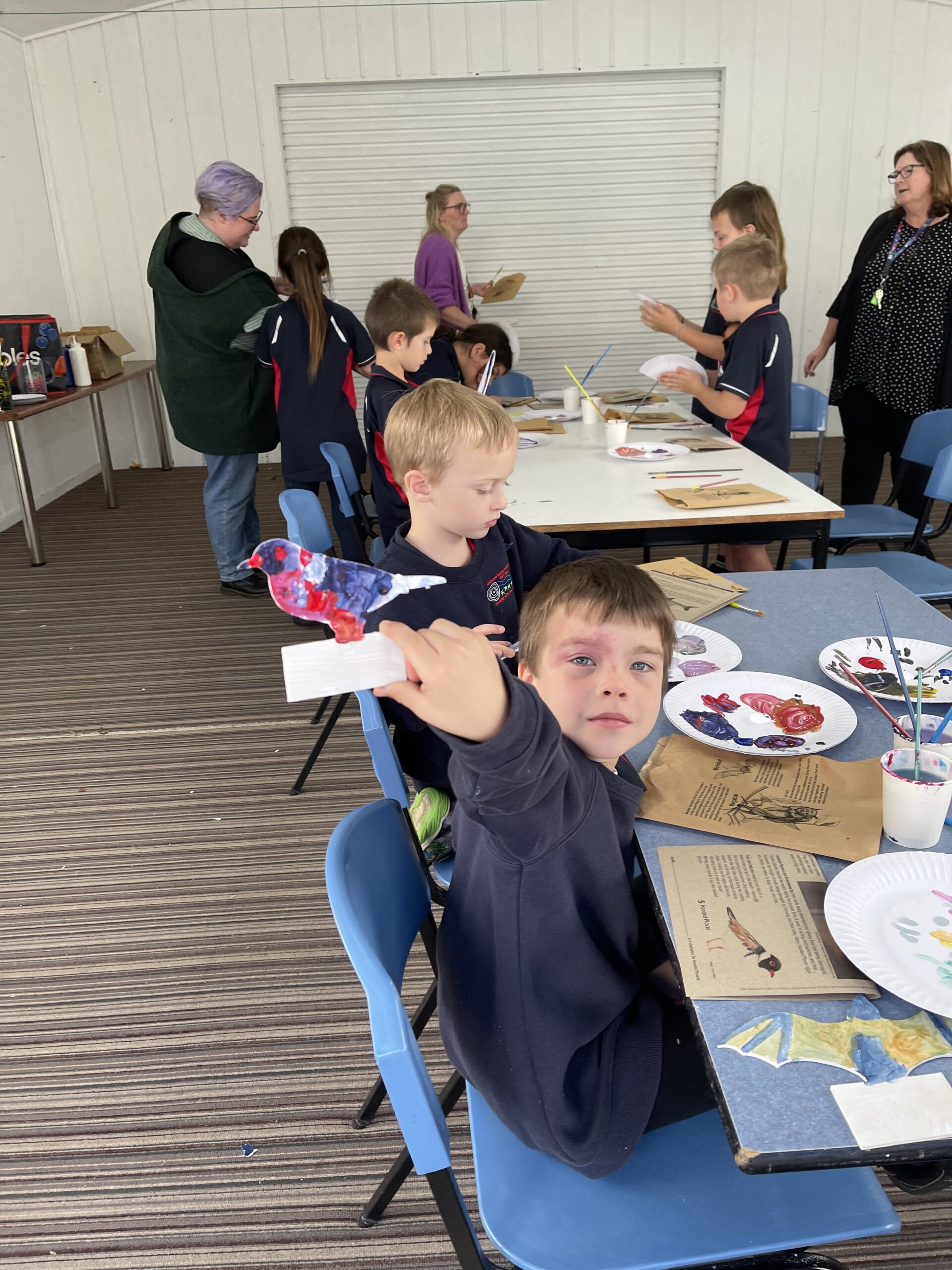
This year’s program also featured a creative new partnership with the East Gippsland Art Gallery. Students participated in guided art classes where they decorated wooden cutouts of threatened species, learning about each animal’s habitat and the importance of biodiversity. These artworks were also showcased at a special event to mark Threatened Species Day.
The program was made possible through the support of many community volunteers. The Bairnsdale Men’s Shed crafted the wooden stakes used to display the students’ artwork, while other volunteers prepared the animal cutouts for decorating.
East Gippsland Landcare Network’s Seedbank also contributed by supplying native seeds for students to grow. These seeds, sourced by volunteers from across the region, were carefully selected to support the habitats of the species the students learnt about. The revegetation of local areas with these indigenous plants plays a key role in restoring ecosystems and supporting biodiversity.
East Gippsland CMA are always keen to help schools, and their students gain a deeper understanding of the environment and in this case the vital role of healthy habitats for threatened species. By combining interactive wildlife encounters, hands-on art activities, and environmental education, Catchment Connections continues to inspire the next generation to care for their local environment.
This initiative is proudly funded by the Victorian Government as part of its commitment to protecting and enhancing Victoria’s waterways and catchments.