VALUE ADDING FOR CATCHMENTS
CMAs provide value for money, here’s how:
- Protecting and enhancing waterways so the state can play.
Our work enhances access for fishing, water quality for swimming and boating and enhancing the State’s tourism appeal. - Supporting farmers to thrive.
We work with farmers to innovate practices like irrigation, support healthy soils, protect livestock,
remove predators, pests and weeds along rivers to improve pasture condition, viability and productivity so agriculture can thrive. - Reducing the impact and costs of floods and erosion.
Working together to protect and enhance rivers stabilises banks and builds resilience. This reduces the impacts of floods and erosion protecting community and private assets and avoiding or lowering repair costs. - Keeping us happy and healthy with a better environment.
Protecting the natural environment on a landscape scale increases habitat for wildlife and supports biodiversity. It also sets a foundation for economic activity and healthy and productive Victorian communities to meet future challenges and opportunities. - Supporting regional jobs and communities.
Employing over 350 local legends, CMA workers across Victoria support their local and First Nations communities and are also part of something bigger with 3.85 direct jobs supported per $1M spent in the Agriculture, Forestry and Fishing Support Services industry in Victoria.*
*Source: REMPLAN 2023.
It’s hard to imagine Victoria without CMAs and the value our small but mighty network delivers for catchments and communities.
Our compelling narrative is of how shared responsibility and collaborative action leads to substantial and sustainable environmental outcomes.
Central to our impact is our proven ability to collaborate with federal, state, and local funding bodies, to effectively add value to their investments and efforts by delivering on key strategic priorities to:
- Inspire, recruit and coordinate the partnerships required on public and private land to protect, connect and enhance the State’s flagship waterways.
- Enhance and deliver on projects using an Integrated Catchment Management approach to bolster collaborations, reduce overlap and extend value for money.
- Be trusted to effectively deliver community- centric initiatives with our local networks through Integrated Catchment Management.
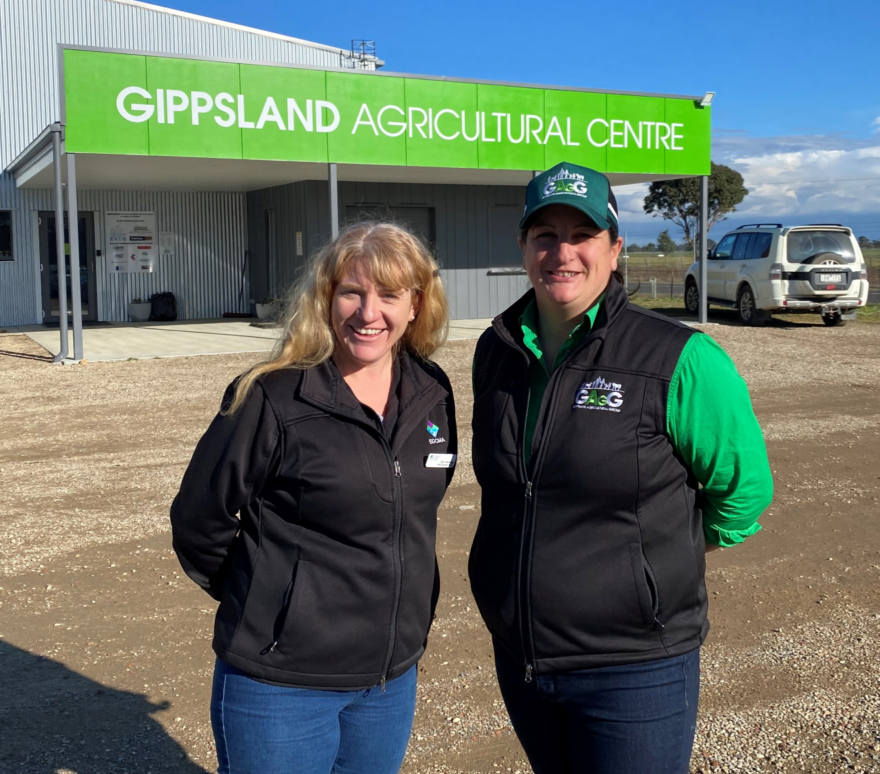
WORKING WITH COMMUNITIES
Partnerships are at the heart of everything we do.
We work with Traditional Owners, Landcare and landholders to achieve our united vision. CMAs create, nurture and leverage partnerships across their local communities. In our nearly 30 years, we have developed
and nurtured over 35,000 partnerships.
These are our ‘superpower’ allowing us to collectively manage, protect, and enhance so much more of Victoria’s natural resources than we could do on our own.
Our people are deeply embedded in, and active parts of their communities – living and working in the catchments they serve.
This provides a unique, firsthand understanding of local challenges and opportunities.
Trust and credibility are cornerstones of our local effort and we have made significant strides in working together to inform and empower practice change to protect and enhance catchments.
“What we do leaves a great legacy and we are super proud of that.
Partners such as the CMA have made a massive difference to our success. The team members across all the projects have been great.”
Dave Bateman
General Manager Bass Coast Landcare
Network
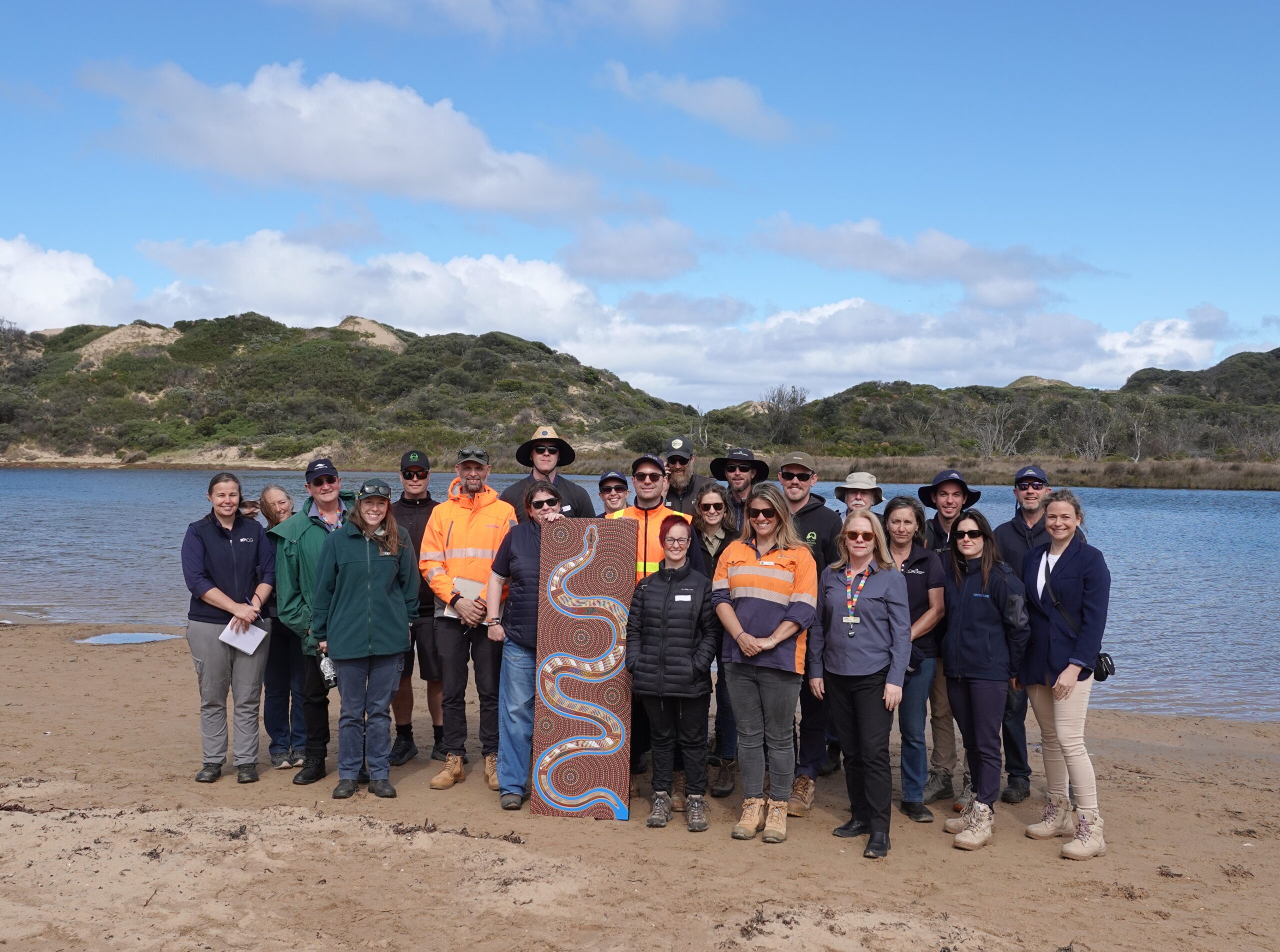
RESPONDING TO DROUGHT
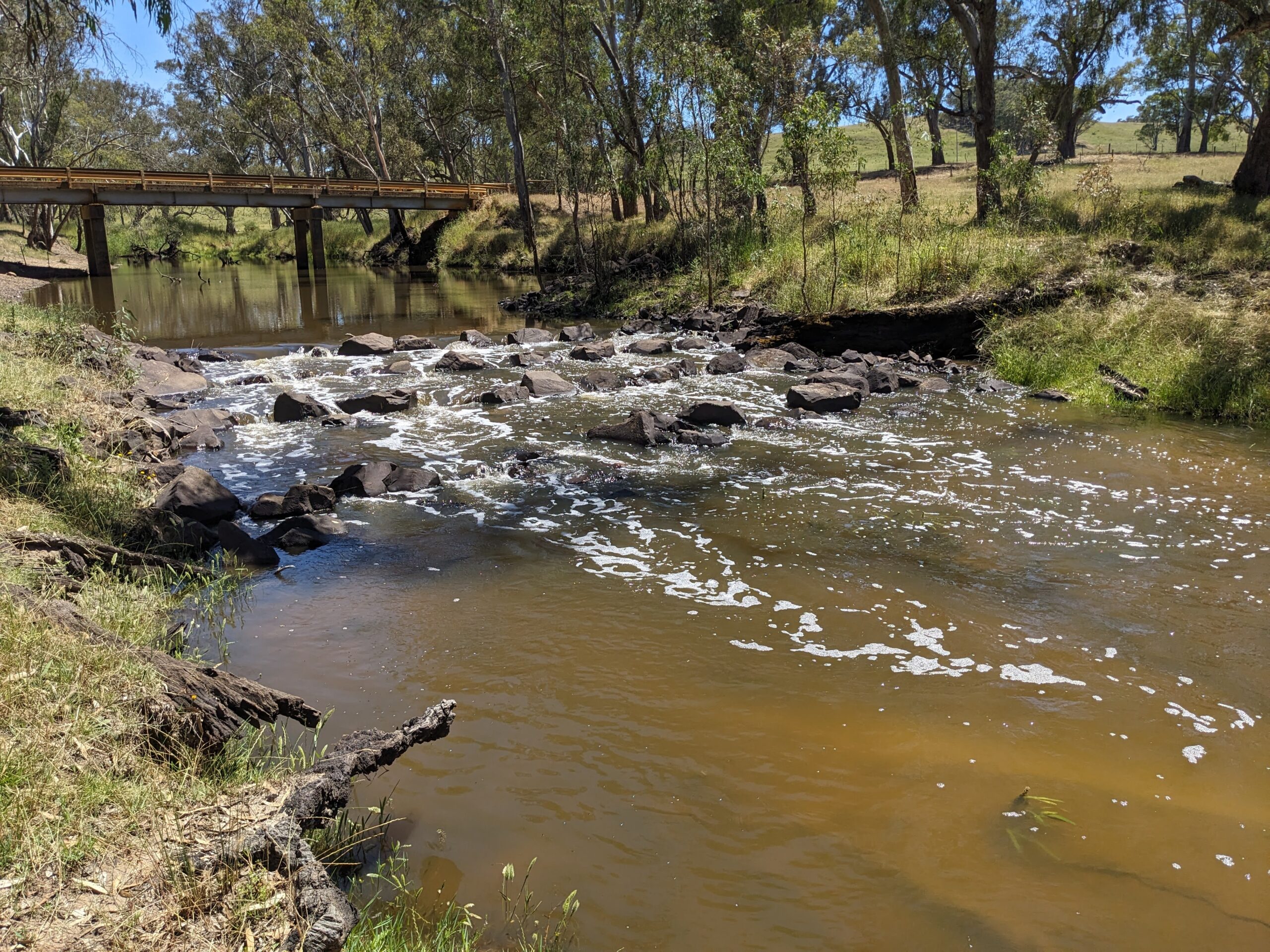
“The impact the environmental flow and compensation flow water has had in a series of disastrous years to sustain flora, fauna and farmers is enormous. This water has literally sustained life across the region.”
Justin Weaver, landholder on the Glenelg River
Balmoral, Victoria
Frontline in dry times
CMAs are on the ground in our communities – in the good times and the dry.
Across the state, we work year round to strengthen resilience in catchments and communities. But when dry times hit, we are often the first to feel their impact. We are on the ground, ready to pivot from resilience to response mode, working with partners like Agriculture Victoria to deliver the programs and assistance our communities need for as long as they need as the long lasting ripple effects spread far and wide.
Addressing the impacts of climate change on natural systems is central to our work.
We support a Climate Change Coordinator to provide support across all CMAs, facilitate collaborative projects, promote knowledge sharing and influence policy design.
We know all too well that droughts are not just about water -they are about people.
Along with the environmental and financial impacts, mental health takes a major blow and this is reflected in our personalised and local drought response.
SUPPORTING FIRE RECOVERY
Rising from the ashes
Bushfires have been a harsh reality for Victoria over the past year – and decade – with both the immediate response of fires in the Grampians and Little Desert National Parks and ongoing recovery from the unprecedented 2019-20 Black Summer bushfires.
As part of the local community, CMAs feel the effects of such events greatly and, once the emergency is over, we are on the ground to be part of the solution utilising our people, partnerships, knowledge and relationships. Our role is vital to the bushfire response, relief and recovery efforts. We can swiftly mobilise efforts – doing what we do every day – listening to Traditional Owners, working with local Councils, local government, partners and the communities we are part of to maximise funds, opportunities and impacts. We can be there to protect waterways, help landholders and protect threatened landscapes and species.
We are proud to be trusted by the Victorian and Australian Governments to deliver programs to build resilience in and restore landscapes. There is overwhelming evidence that climate change is driving an increase in fire severity, frequency and geographical spread across Victoria. Whole catchments are being impacted, leading to largescale stream and estuary health impacts. This significantly increases the risk to Victoria’s communities and catchments.
Under our legislative responsibilities, Victorian CMAs currently play varied roles and have differing levels of influence in fire management in Victoria. Over the past five years Vic Catchments has worked with Government and community to improve and coordinate our role in fire preparedness, response, recovery and reflection.